
He is among 24 fellows selected to explore the causes of political polarization and to identify possible solutions
Citlalli Chávez-Nava
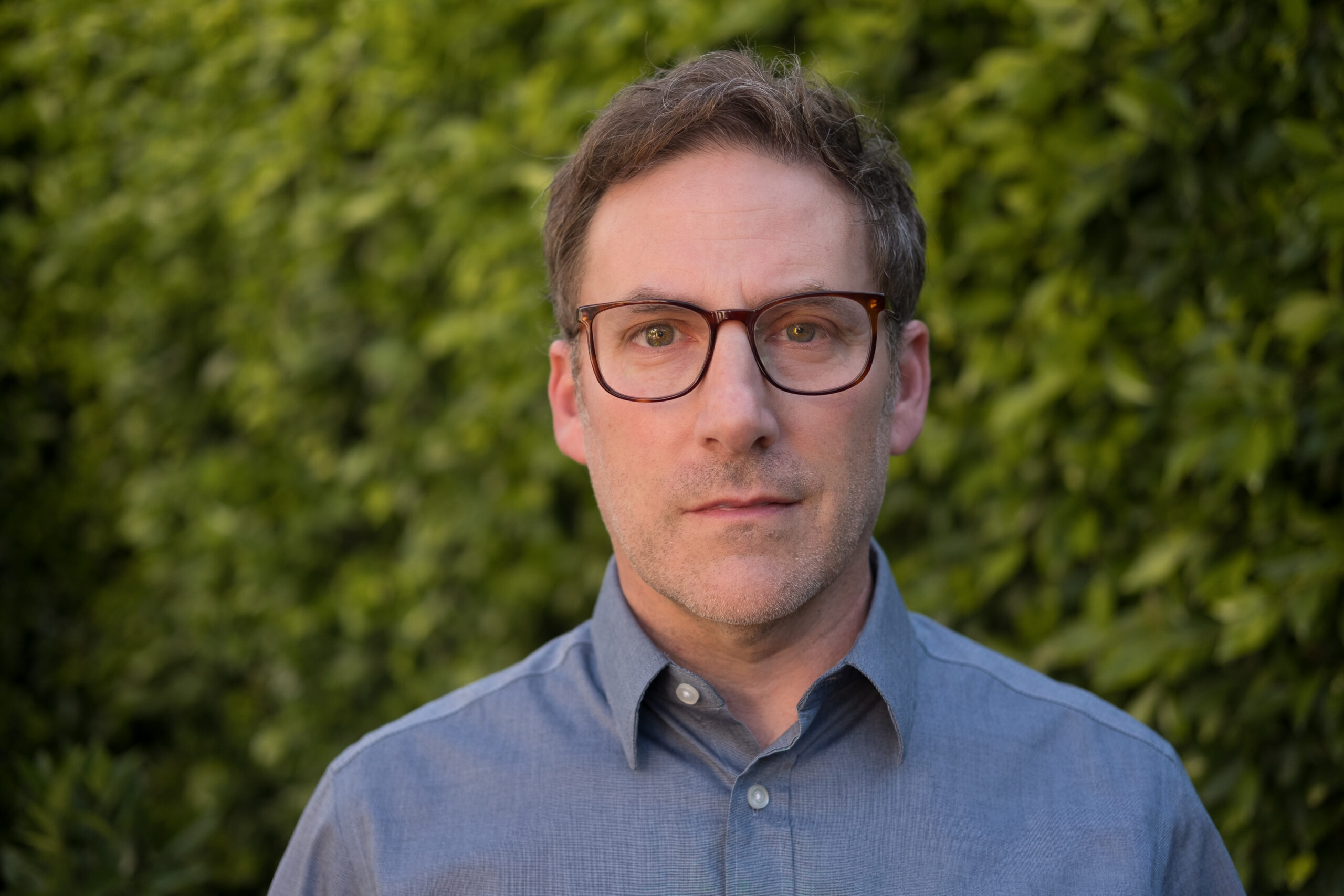
Stuart Soroka, a UCLA professor of communication and political science (by courtesy), has been named a 2026 Carnegie Fellow. He is among 24 fellows selected to receive a $200,000 research stipend from the Carnegie Corporation for their work exploring the causes of political polarization and to identify possible solutions.
Soroka’s project, “Political Polarization and the News Media Ecosystem,” will examine how changing media technologies and market pressures produce polarizing news content. Using a combination of human coding and computational methods to gather content from multiple platforms, including newspapers, television and social media over the past several decades, he aims to show that polarizing content is not the result of a single outlet’s editorial decisions, but of a competitive media market that drives news outlets toward sensationalism to attract audiences.
At UCLA, his areas of expertise in political communication include negativity bias, misinformation and political behavior. He is particularly interested in analyzing negativity and positivity in news coverage; the ways in which media succeed or fail to inform the public about policy issues; and the impact of legacy and new media on attitudes toward a broad range of policies such as immigration, defense, welfare and health care.
In this interview Stuart discusses his Carnegie-backed project, focused on our news media ecosystem and how it drives political polarization. The interview was edited for length and clarity.
For years you have been investigating the way media succeeds or fails to inform the public about policy issues, and by extension, its impacts on our democracy. Where would you say our media ecosystem stands presently?
I’m thinking of this question in two different ways. Where media consumption is concerned, we have ready-access to more information than ever before — there are 24-hour news channels, and both legacy and new media outlets are easily available online. Mobile technology also means that we have many accurate sources of news in our pockets, albeit alongside many inaccurate sources of news.
There is the potential for new technologies to produce highly informed democratic citizens, provided we can teach both humans and algorithms to prioritize accurate over inaccurate content. But this is of course very hard to do, in part because humans are predisposed to focus on content that supports our predispositions. In fact, the current technological environment makes it increasingly easy for us to consume mainly content that confirms our predispositions. This is one source of polarization.
Where media production is concerned, the current environment is clearly very difficult. Funding news organizations is more complicated because consumers increasingly expect news online to be free. The dissolution of the Corporation for Public Broadcasting doesn’t help, nor do recent limitations in media access to press briefings and to the West Wing. The ability to target specific consumers, either with cable television or online content, also creates an incentive to produce content that confirms partisans’ predispositions. This practice produces a captive audience — but also an audience that is not getting the “full picture.”
And so, there are a combination of technological and administrative challenges facing news organizations, and those challenges likely make it more difficult to provide accurate, balanced coverage. Many good news organizations are findings way to accomplish this goal, to be sure. But there is good reason to be concerned about a trend towards less accurate, more partisan, content. This is also a source of polarization.
Given this landscape, through your Carnegie Fellowship, you will be analyzing how platform design and audience-making happens and how to reduce proliferation of polarizing news content, what are your initial observations?
There is competition amongst news outlets such as CNN and Fox News, of course. There is also competition across news platforms, like television and social media. The nature of one outlet’s content on social media does not just affect other social media content; it likely affects content on other media platforms as well. Exploring this kind of co-adaptation across outlets, platforms and audiences may be central for our understanding of the rise of political polarization and the potential for reducing it. For example: a change in a social media algorithm that de-prioritizes engagement metrics might echo throughout the entire media ecosystem.
What drew you to this research and why is it important in our present political moment?
There are increasing concerns about political polarization, not just in the U.S. but also around the world. Polarizing news content both affects and reflects public attitudes, of course — so changes in news content can only do so much. There is nevertheless a possibility that small changes in the nature of news content can make small differences to trends in political polarization. Moreover, small, de-polarizing, changes in news content may lead to more productive and effective news coverage — coverage that increases news consumption, produces a more informed electorate, and facilitates government responsiveness and accountability.
Overall, are you hopeful about the potential of depolarizing our present media environment?
There are justifiable anxieties about the proliferation of “alternative facts.” But there are also some important factors over which we, governments or companies, have some control, including the nature and competitiveness of media markets, or the behavior of social media and news-aggregator algorithms. I think it is possible to, incrementally at least, produce a news media environment that more effectively contributes to informed democratic citizenship. Exploring this possibility is the focus of my project, and I am grateful to have the resources to focus on this for the next two years.
Related Story: Stuart Soroka named 2026 Andrew Carnegie Fellow