They returned to college in their 30s as moms and made the most of their Bruin adventure


The fellowship is the nation’s largest and most prestigious award for PhD candidates in the humanities and social sciences addressing questions of religion, ethics, morals, or values
UCLA Social Sciences
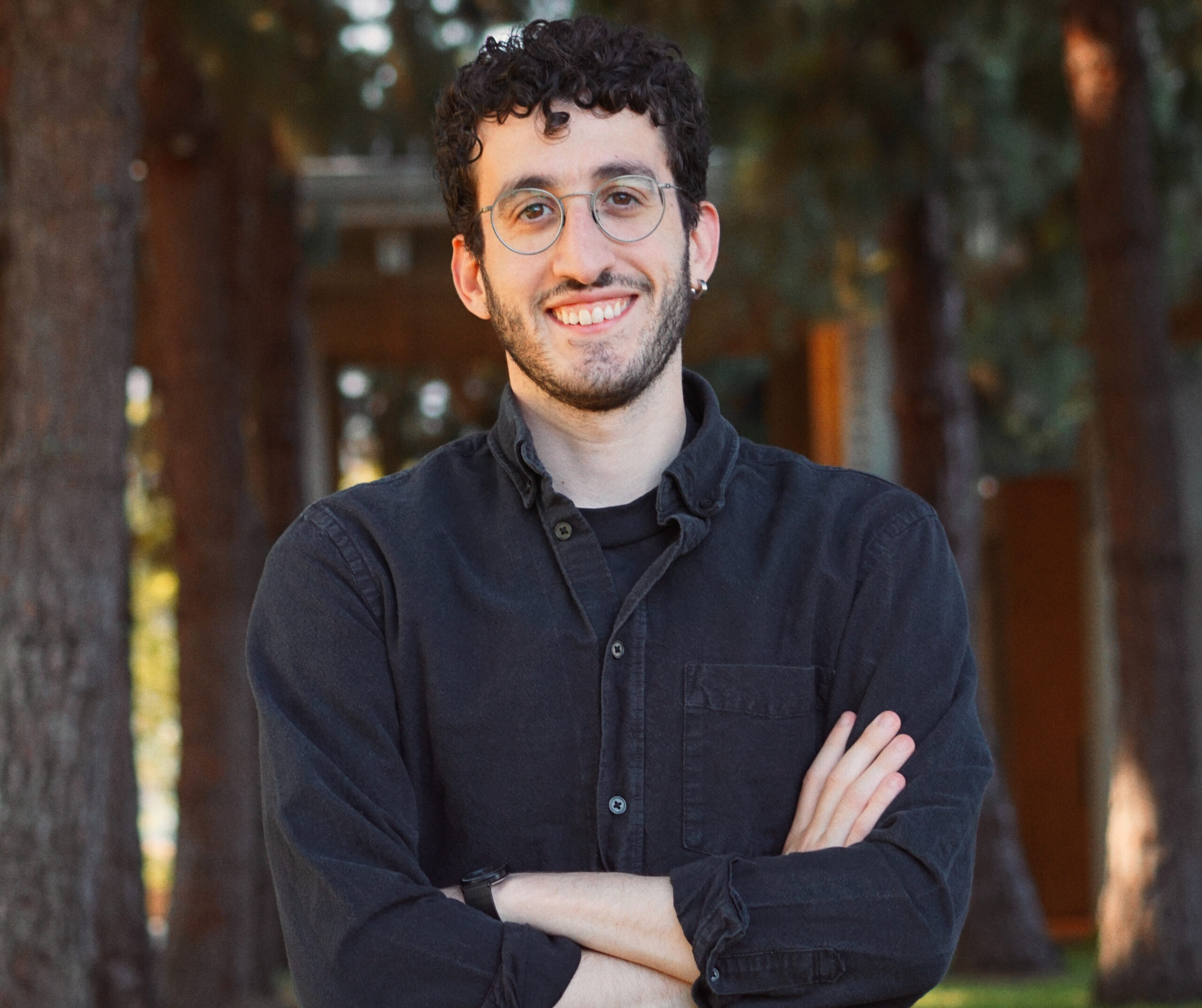
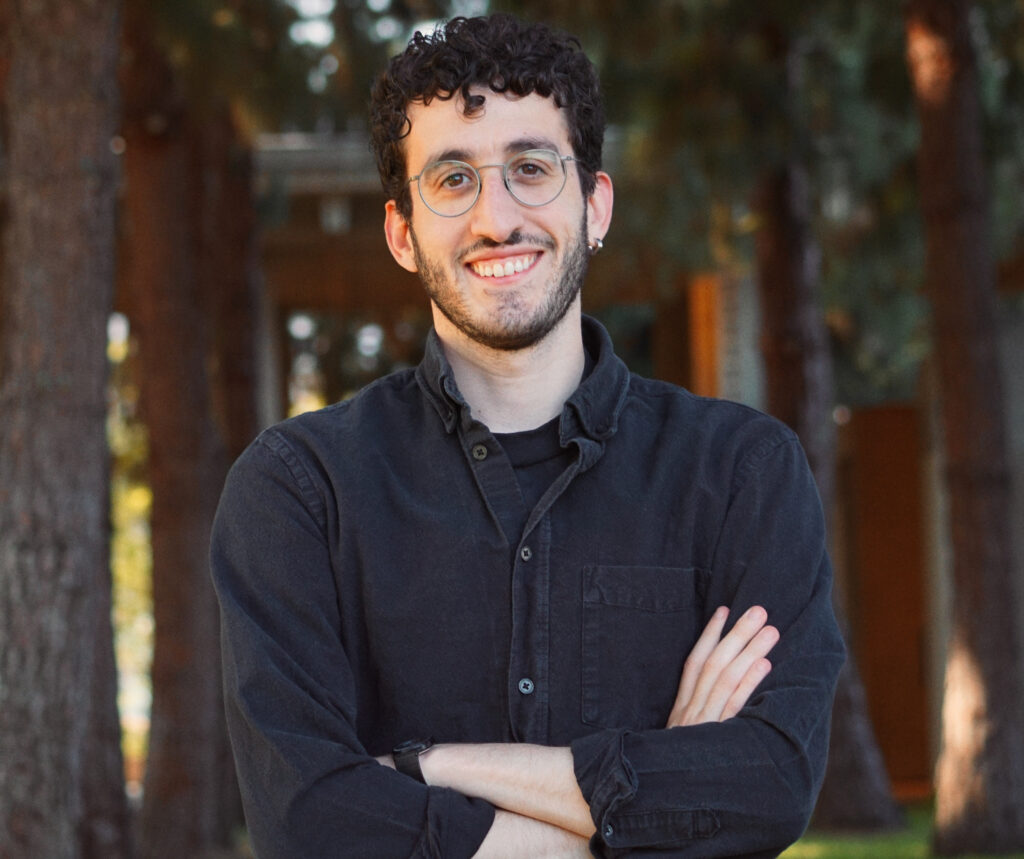
The Charlotte W. Newcombe Foundation has named Paul Melas, a doctoral candidate in UCLA’s Department of Anthropology, a 2026 Charlotte W. Newcombe Doctoral Dissertation Fellow. Melas is one of 20 doctoral candidates selected nationwide to receive a $31,000 stipend for focused dissertation writing during the 2026–2027 academic year.
Established in 1981, the Newcombe Doctoral Dissertation Fellowship supports work engaging ethical, religious and values-based inquiry that demonstrates nuance, depth and intellectual sophistication. Selected projects may be from the ancient past, with modern relevance or focus on a unique perspective on a well-known topic. The award is considered the nation’s largest and most prestigious award for PhD candidates in the humanities and social sciences addressing questions of religion, ethics, morals or values.
Melas’ dissertation considers monastic asceticism in Contemporary Greece, a thousand-year-old community traditionally perceived as insulated from global networks and contemporary social problems. Melas challenges this notion through his long-term immersive fieldwork in the Orthodox Christian monasteries of Mount Athos taking on the arduous and ascetic routines of a monk while following questions of care, ethics and labor within the peninsula. Through his immersion, Melas came to know not only the monks and the clerical hierarchy but also the migrant laborers who worked for or alongside them to sustain daily life and the material infrastructure of the monasteries
“Paul’s grounded ethnographic, theologically-informed and scholarly perspective has revolutionized our understanding of the individual and social impact of monastic life,” said Laurie Hart, professor and chair of UCLA’s Department of Anthropology and Melas’ research advisor. “Following the threads of human movement, material objects, ideas and ambitions, including trips to the Baltics and Uganda, he discovered that despite its famous “isolation,” Mount Athos is not only a spiritual refuge but also part of a national and global network of political and ideological importance to Eastern Orthodoxy internationally.”
Melas’ said his project ultimately seeks to understand how these ascetic traditions, with histories that frequently span millennia, become articulated within contemporary cultural formations and in response to emergent social challenges.
“Contemporary asceticism on Mount Athos cannot solely be understood as an attempt to reject and ‘withdraw’ from a world of moral distractions,” said Melas. “Its performance inevitably leads to the embrace of certain worldly and other-worldly connections and a re-working of one’s relational network. Through their asceticism, monks forge deep relationships with God and other divine figures, pilgrims who visit the community, wage-laborers employed in its economy and Orthodox Christians in parishes throughout Greece.”
Hart said Melas is a brilliant, dedicated scholar who is completely committed to research, teaching and human inquiry more broadly.
“The Charlotte Newcombe Fellowship is a perfect match — and a perfect community — for Paul as a young scholar headed to a career in the comparative anthropology of religion, globalization and social and cultural theory,” she said.
An immigrant and first-generation college student, Melas says he is grateful that his project, focused on anthropology of religion, is receiving national-scale attention.
“My goal is to pursue a career in academia that combines teaching, research and publishing,” he said. “I hope to bring ethnography and other social scientific methods to students who seek to understand the role of religion in their lives and communities.”
Media Contact: Citlalli Chávez-Nava, cchaveznava@college.ucla.edu.
UCLA Social Sciences
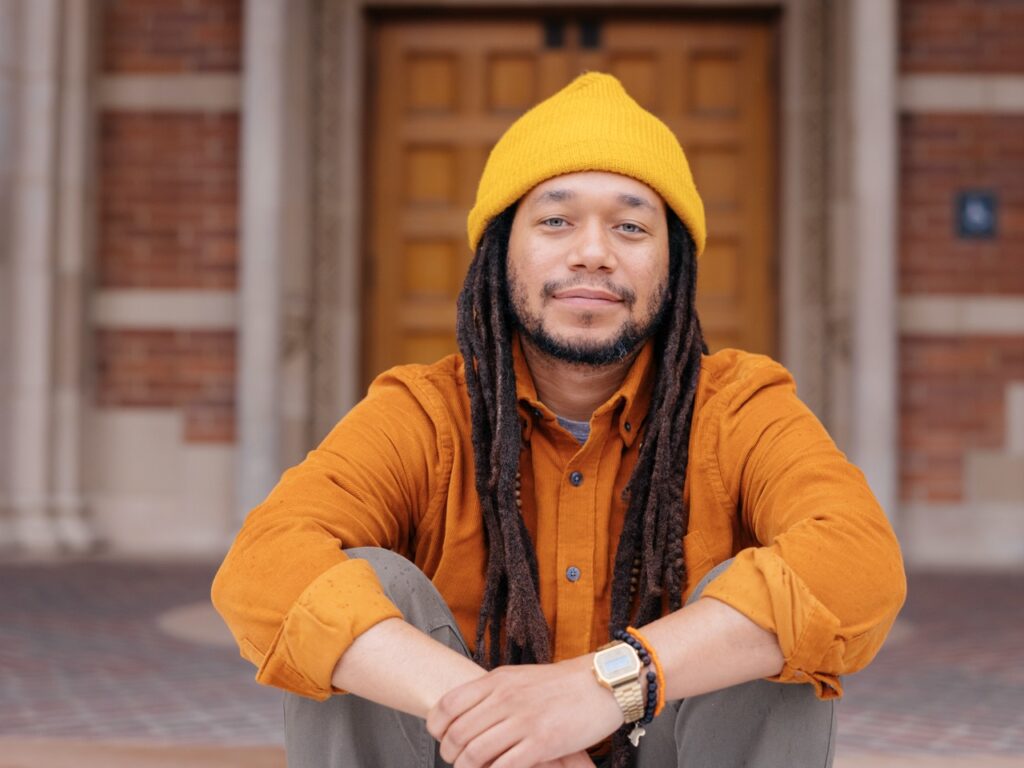
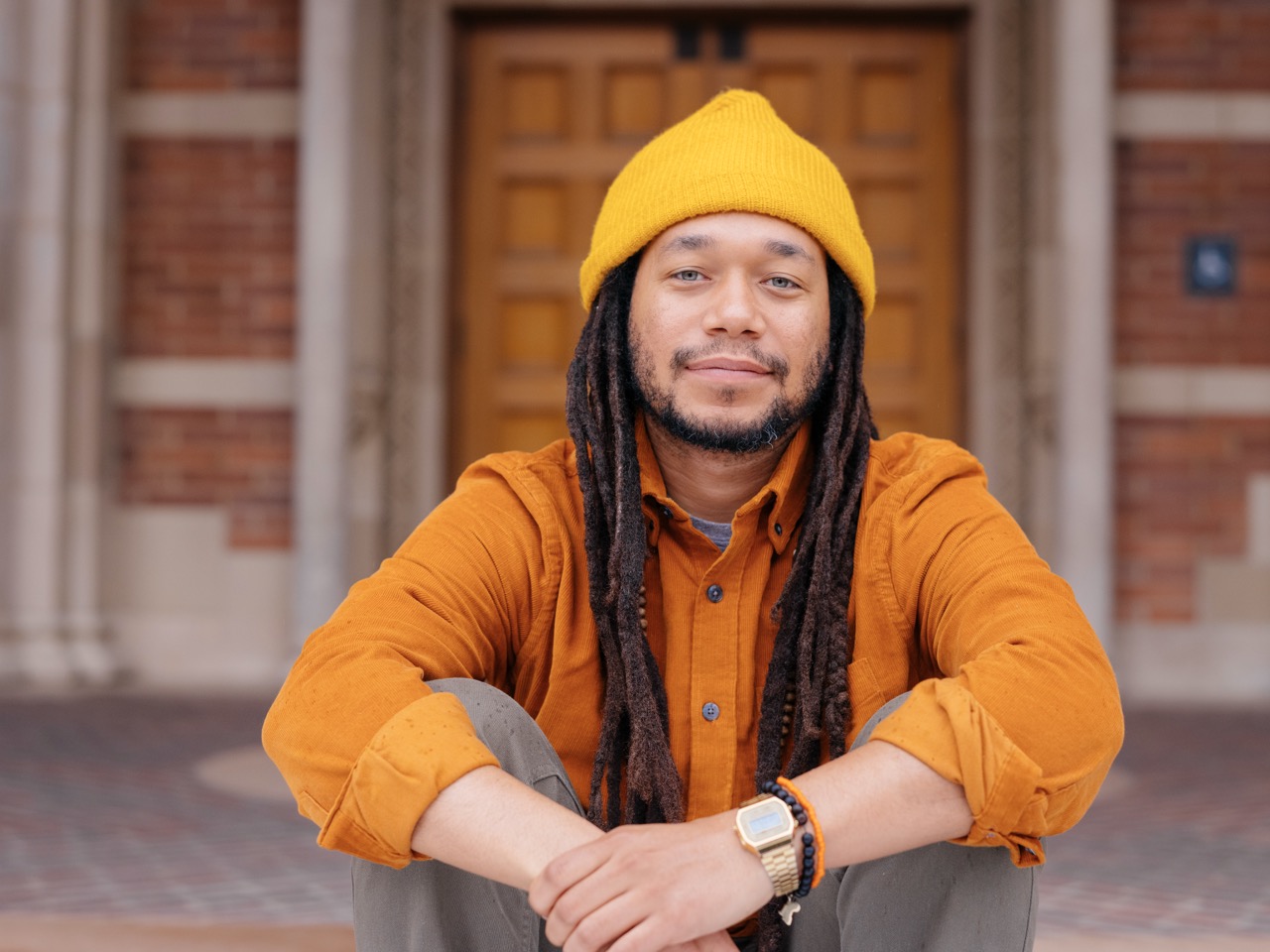
UCLA has appointed Justin Dunnavant the Joan Silsbee Chair of African Cultural Archaeology recognizing his innovative scholarship and leadership in cultural anthropology and archaeology.
Dunnavant is an assistant professor in the UCLA Department of Anthropology, a core faculty member of UCLA’s Cotsen Institute of Archaeology and a maritime archaeologist. His research explores the historical archaeology of Africa and the African Diaspora particularly focused on the transatlantic slave trade and its ecological impact, maritime archaeology and community-based archaeology.
Dunnavant’s research has reshaped his field’s understanding of African-descended communities across the Atlantic world through his exploration of Black culture through the discovery of lost slave ships — and the secrets they carry. His forthcoming book, “Colonialism, Ecology and Slavery,” under contract with Princeton University Press, investigates the relationship between ecology and enslavement in the former Danish West Indies. His scholarship has also been recognized as a vital contribution to the study of the African peoples and to the training of new generations of students about the potential of African and African Diaspora archaeology.
“Professor Dunnavant’s work is cutting edge and draws on multiple archeological methods, it’s about reclaiming history and countering erasure. He brings this lens into the classroom, engaging and training our students to reconsider the past in new ways,” said Abel Valenzuela, dean of UCLA’s Division of Social Sciences.
This spring, Dunnavant earned a Chancellor’s Arts Initiative grant to produce a documentary that follows divers searching for Marcus Garvey’s sunken Black Star Line, a project that reclaims history and challenges of erasure.
Dunnavant is also the co-founder of the Society of Black Archaeologists and an AAUS Scientific SCUBA Diver. In 2021, he was named a National Geographic Emerging Explorer and was inducted into The Explorers Club as one of “Fifty People Changing the World that You Need to Know About.” A Howard University graduate, Dunnavant, received his Ph.D. in anthropology from the University of Florida in 2017, completing a doctoral dissertation based on his archaeological research among the Wolaita ethnic group of Ethiopia.
The Joan Silsbee Chair in African Cultural Archaeology was created in honor of Joan Malloy Silsbee ‘53, following her passing in 2011. During her lifetime, Silsbee made numerous trips to Africa and developed a love of its rich history. The prestigious position was designed to support archaeological research and student training.
“I am honored to hold the Silsbee Chair in African Cultural Archaeology and look forward to developing our newest endeavor exploring the deep history of terrace communities in the Anti-Atlas Mountains of Morocco. With scholars like Merrick Posnansky and Willeke Wendrich, UCLA has played a central role in African archaeology,” said Dunnavant. “In the coming years I intend renew our commitment to this rich legacy and help to train a new generation of terrestrial and maritime archaeologists.”
Endowed chairs at UCLA are among the university’s highest faculty honors, supporting scholarly excellence and advancing research, teaching and public engagement across disciplines. They are made possible by the generosity of alumni, former faculty members and friends of the university. UCLA’s Division of Social Sciences has approximately 300 faculty members, and 35 endowed chairs.
Learn More:
UCLA Magazine | Deep Diver: Justin Dunnavant
University of California | Digging, diving and discovering stories untold


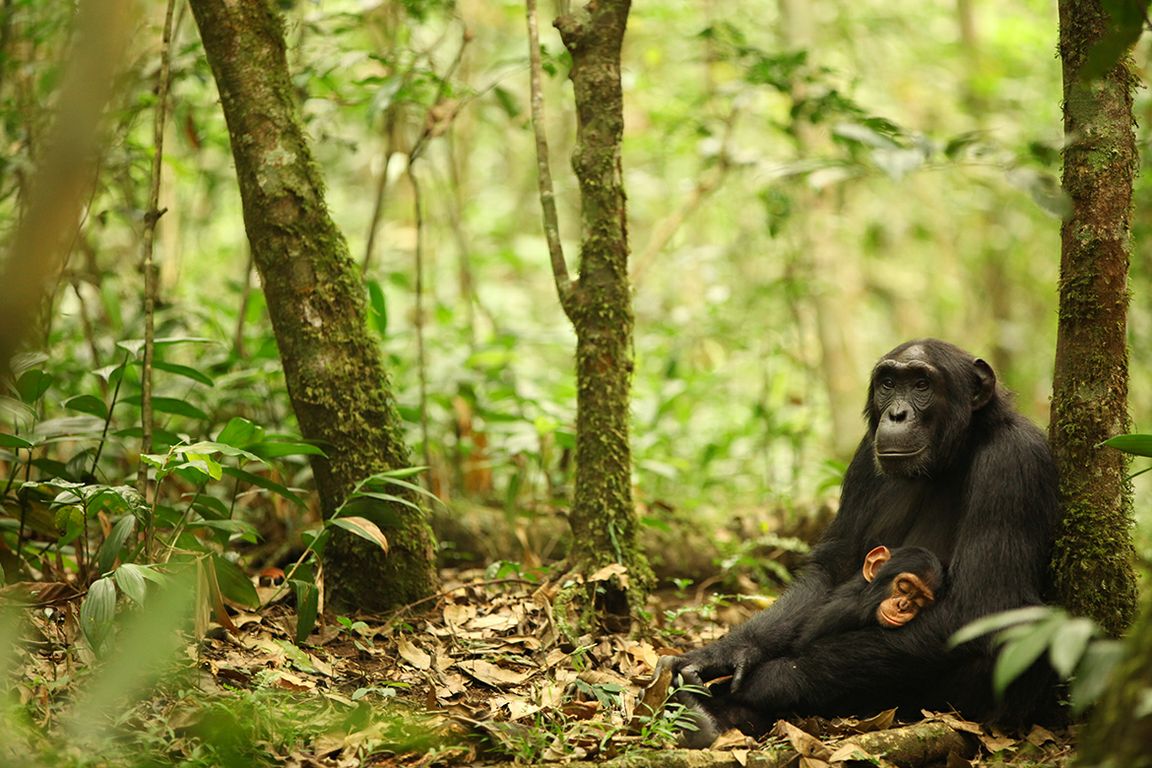
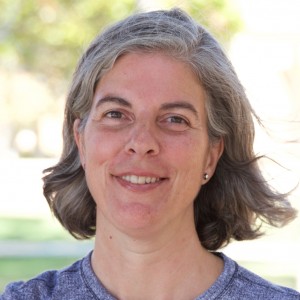
Lynch plans to return to Brazil to further collaborate with a network of researchers at Brazil’s National Primate Center during spring 2026.